

Detect Steering and Suspension Wear with Professional Axle Play Detectors
Axle play detectors, commonly known as shaker plates, are professional workshop diagnostic systems used to identify wear, movement, and looseness in steering and suspension components while the vehicle remains under load.
Using controlled electro-hydraulic plate movement, axle play detectors simulate the forces experienced during normal vehicle operation. This allows technicians to identify faults that may not be visible during conventional manual inspections.
EquipSpecs Australia supplies the Ryme Worldwide range of light vehicle and heavy vehicle axle play detectors, providing reliable steering and suspension diagnostics for automotive workshops, heavy vehicle service centres, fleet maintenance facilities, bus depots, transport operators, and government inspection facilities throughout Australia.
Why Workshops Choose Axle Play Detectors
Modern workshops demand fast, accurate vehicle inspections without compromising safety.
Axle play detectors allow technicians to evaluate steering and suspension components under realistic operating conditions, improving diagnostic accuracy while reducing inspection time.
Compared with traditional manual inspection methods, axle play detectors help workshops:
- Detect steering and suspension wear more quickly
- Improve diagnostic accuracy
- Identify faults while components remain under load
- Reduce unnecessary parts replacement
- Increase workshop productivity
- Improve technician safety
- Deliver consistent and repeatable inspections
Whether inspecting passenger vehicles or heavy commercial fleets, shaker plates provide valuable information that supports confident repair decisions.
Light vs Heavy Vehicle Axle Play Detectors
| Feature | Light Vehicle | Heavy Vehicle |
|---|---|---|
| Maximum axle load capacity | Up to 4 tonnes | Up to 18 tonnes |
| Suitable vehicles | Passenger cars & light commercial vehicles | Trucks, buses & heavy commercial vehicles |
| Available models | DHL Classic, DHL Total, DHL Total 4 | DHU Classic, DHU Total, DHU Total 4 |
| Typical applications | Automotive workshops, dealerships | Fleet workshops, transport operators, bus depots, heavy vehicle workshops |
What Faults Can an Axle Play Detector Identify?
Axle play detectors help technicians identify steering and suspension faults that may be difficult to detect during static inspections.
By remotely applying controlled movement to the wheels while the vehicle remains under load, technicians can clearly observe excessive movement, wear, or looseness in critical components.
Steering Components
- Ball joints
- King pins
- Steering linkages
- Tie rod ends
- Steering racks
- Steering arms
Suspension Components
- Suspension bushes
- Control arms
- Radius rods
- Stabiliser links
- Suspension mounts
- Wishbones
Wheel Components
- Wheel bearings
- Hub movement
- Suspension mounting points
Early identification of these faults helps improve vehicle safety while reducing repair time and unnecessary component replacement.
How Axle Play Detectors Work
Axle play detectors use an electro-hydraulic drive system to move heavy-duty steel plates in controlled directions beneath the vehicle wheels.
Once the vehicle is positioned on the plates, the technician remotely activates the system using the supplied hand controller. Hydraulic cylinders apply controlled movement to the wheels, accurately simulating the forces experienced during braking, cornering, acceleration, and normal road use.
The technician observes steering and suspension components from the inspection pit while the plates move, making it possible to quickly identify abnormal movement or excessive wear.
Typical plate movements include:
- Lateral movement – simulates cornering forces
- Longitudinal movement – simulates braking and acceleration forces
- Multi-directional movement – applies combined forces for comprehensive inspection
Light Vehicle Shaker Plates
For workshops servicing passenger vehicles and light commercial vehicles, Ryme Worldwide light vehicle axle play detectors provide accurate steering and suspension diagnostics for vehicles with a gross vehicle weight (GVW) of up to 3,500 kg. The systems feature a maximum axle load capacity of 4 tonnes, providing a robust solution for professional workshop inspections.
Typical applications include:
- Automotive workshops
- Vehicle dealerships
- Diagnostic workshops
- Fleet maintenance facilities
- Vehicle inspection stations
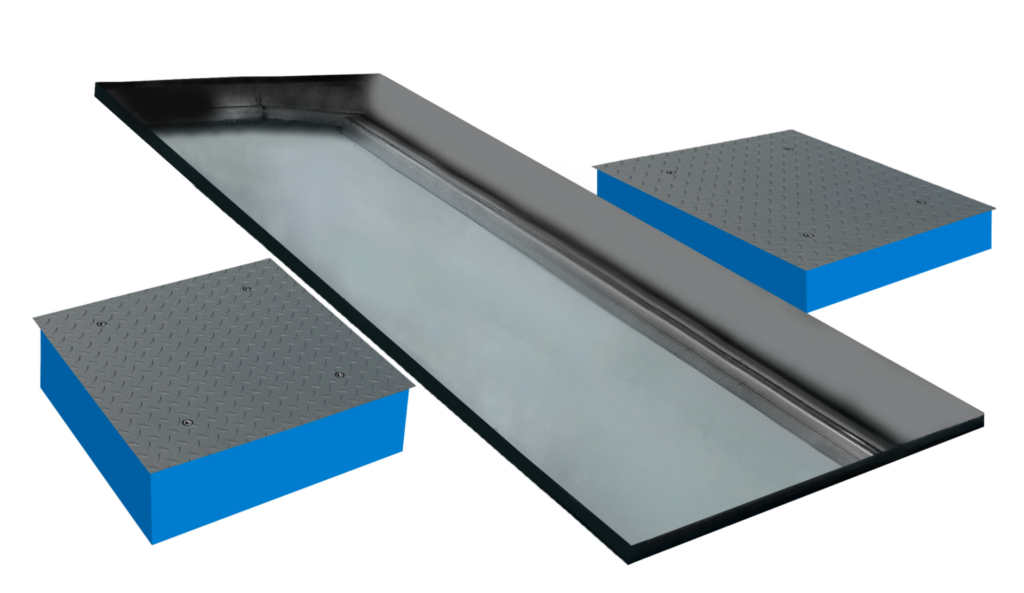
DHL Classic
Designed for routine steering and suspension inspections, the DHL Classic features two electro-hydraulic plates and provides reliable diagnostic performance for passenger vehicles and light commercial vehicles. It is suitable for axle loads up to 4 tonnes.
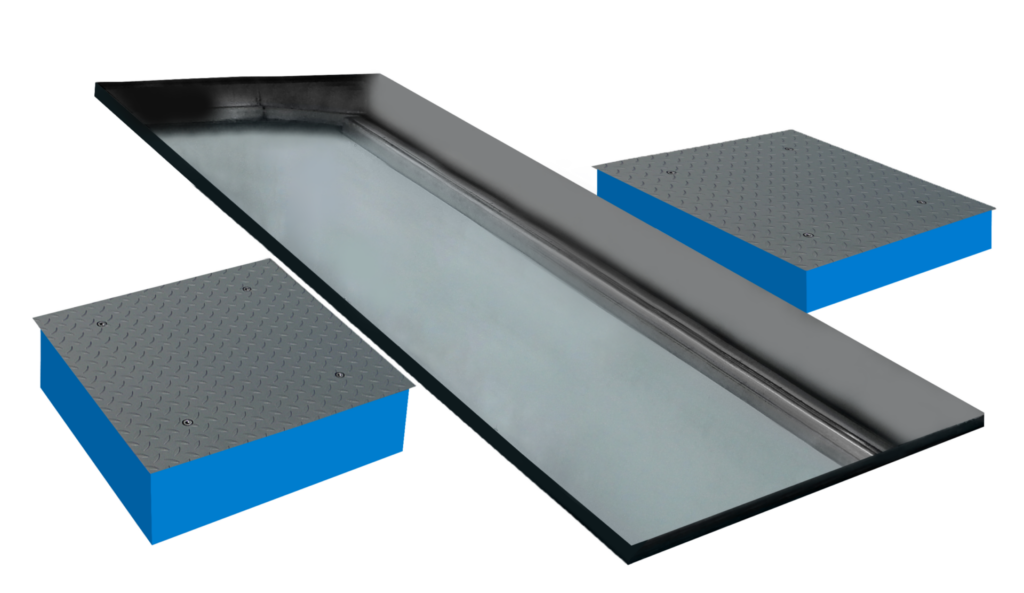
DHL Total
The DHL Total offers enhanced multi-directional plate movement, allowing technicians to apply additional steering and suspension loads for more comprehensive fault detection while maintaining the same 4-tonne axle capacity.
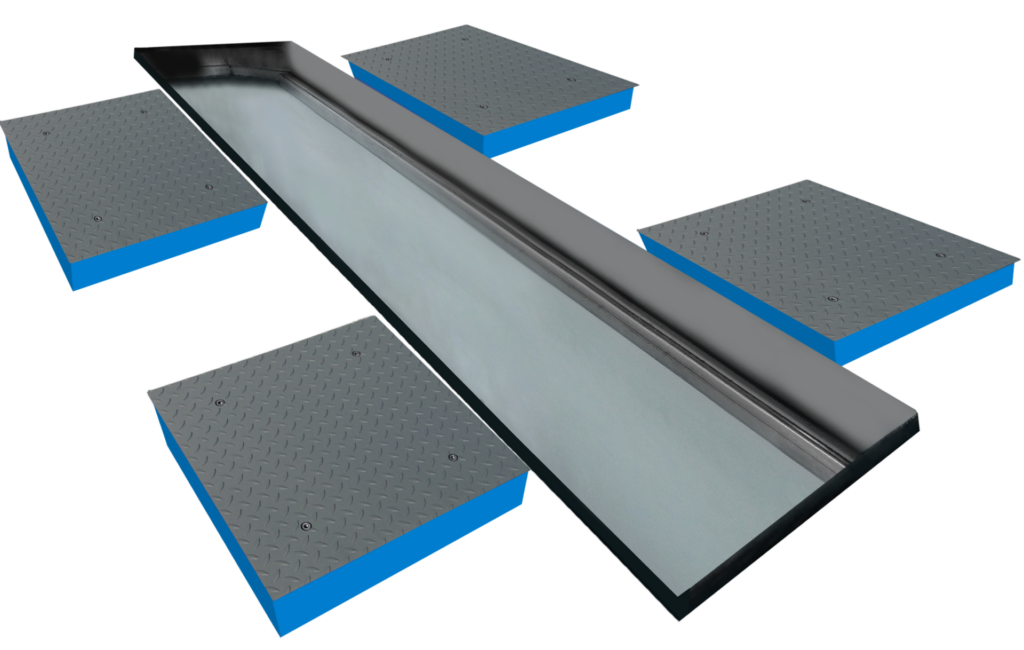
DHL Total 4
The DHL Total 4 features four electro-hydraulic plates, allowing all four wheels to remain positioned on the system during inspection without repositioning the vehicle. This makes it ideal for high-throughput workshops performing frequent suspension inspections.
Heavy Vehicle Shaker Plates
Heavy commercial vehicles place significantly greater loads on steering and suspension systems.
Ryme Worldwide heavy vehicle axle play detectors are specifically engineered for axle loads of up to 18 tonnes, providing reliable diagnostics for trucks, buses, coaches, and other heavy commercial vehicles.
Typical applications include:
- Heavy vehicle workshops
- Fleet maintenance facilities
- Bus depots
- Transport operators
- Mining workshops
- Defence workshops
- Government vehicle depots
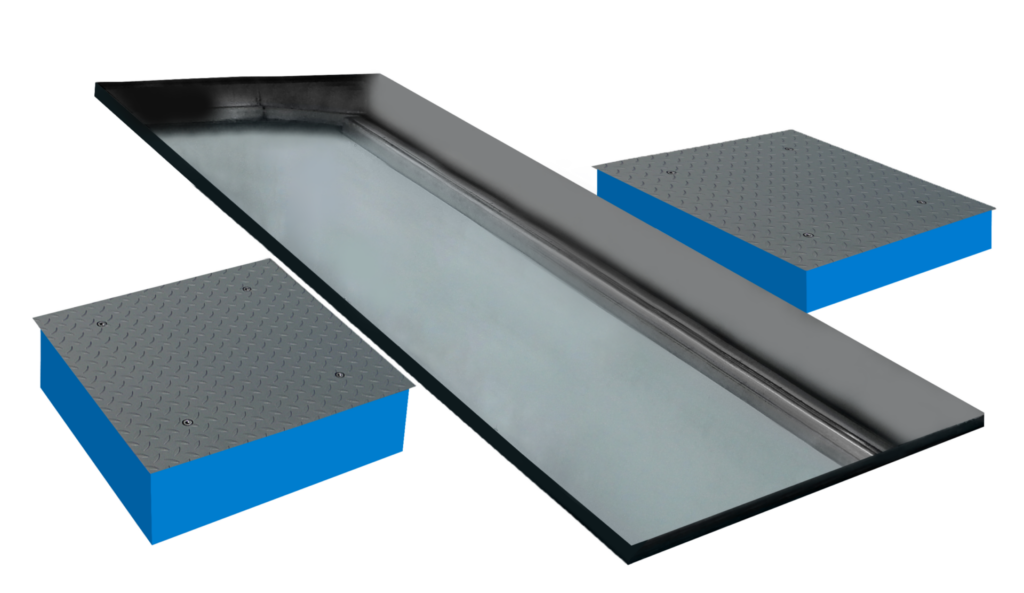
DHU Classic
The DHU Classic provides reliable two-direction electro-hydraulic plate movement for heavy commercial vehicle inspections and supports axle loads of up to 18 tonnes.
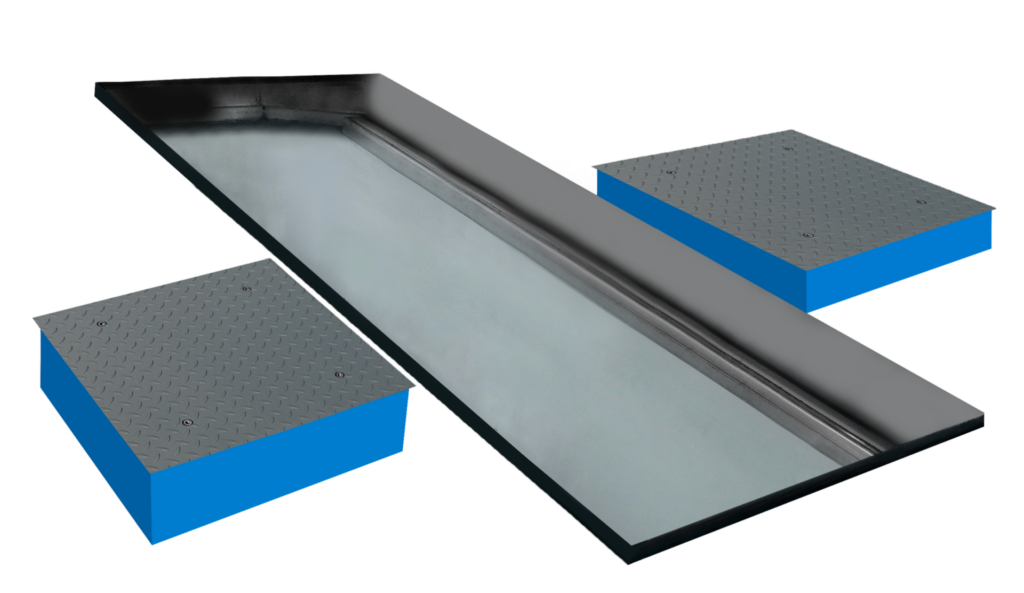
DHU Total
The DHU Total incorporates additional plate movement capabilities for more comprehensive steering and suspension diagnostics while maintaining the same heavy-duty construction and 18-tonne axle capacity.
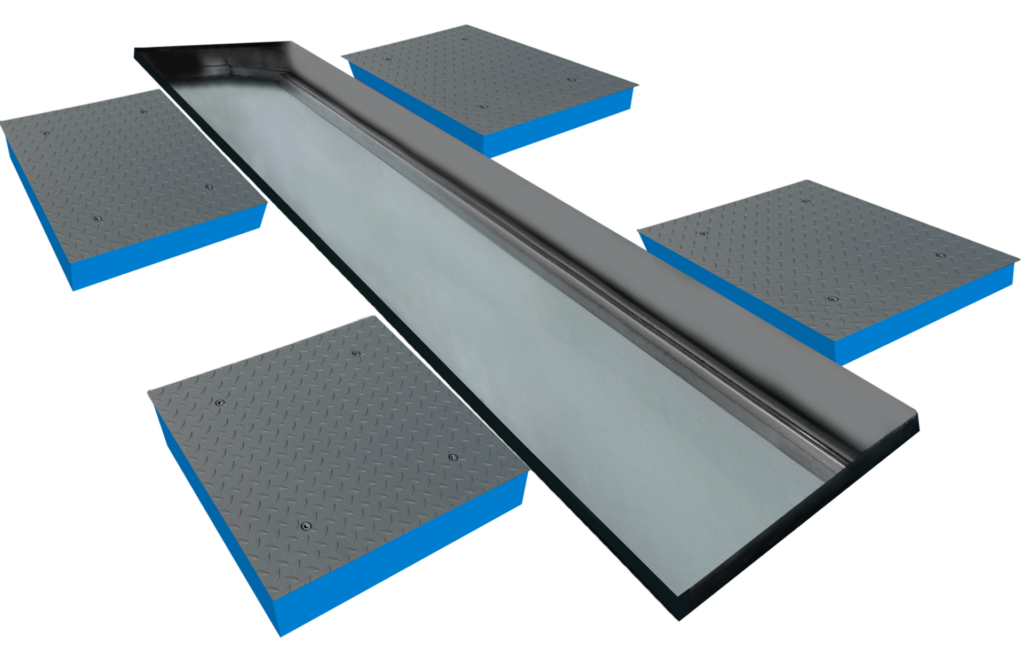
DHU Total 4
Featuring four electro-hydraulic plates, the DHU Total 4 allows technicians to inspect both axles without repositioning the vehicle, improving inspection efficiency in high-volume heavy vehicle workshops.
Integrating Axle Play Detectors into Australian Workshops
Axle play detectors can be incorporated into both new workshop builds and existing inspection facilities.
Depending on workshop layout and operational requirements, systems can be integrated with:
- Existing inspection pits
- New workshop construction
- Heavy vehicle inspection lanes
- Fleet maintenance facilities
- Bus depots
- Government workshops
EquipSpecs Australia also supplies workshop inspection equipment including:
- Heavy vehicle roller brake testers
- Light vehicle roller brake testers
- Automatic pit covers
- Pit Jacks
Integrating multiple inspection systems into a single inspection lane improves workflow while providing technicians with a complete vehicle inspection solution.
Benefits of Axle Play Detectors
Faster fault identification
Controlled plate movement allows technicians to quickly identify steering and suspension faults that may not be visible during conventional inspections.
Improved diagnostic accuracy
Testing components under realistic operating loads provides a more accurate assessment of steering and suspension condition.
Increased technician safety
Inspection pits allow technicians to safely observe moving suspension components without manually manipulating the vehicle.
Improved workshop efficiency
Faster inspections increase workshop throughput while reducing overall inspection time.
Suitable for multiple vehicle types
With systems available for both light vehicles and heavy commercial vehicles, Ryme Worldwide offers solutions suitable for a wide range of Australian workshops.
Related Reading
Axle Play Detector Solutions from EquipSpecs Australia
EquipSpecs Australia supplies and supports the Ryme Worldwide range of axle play detectors for light vehicles and heavy commercial vehicles.
Whether you’re upgrading an existing workshop, building a new inspection facility, or expanding a fleet maintenance operation, our team can help specify the right axle play detector solution for your application.
Contact EquipSpecs Australia today to discuss your workshop requirements or request a quotation.
Mobile: (+61) 480 851 176
Email: sales@equipspecs.com.au
Request a quote here
Frequently Asked Questions – Axle Play Detectors
An axle play detector, commonly known as a shaker plate, is a hydraulic workshop inspection system that applies controlled movement to vehicle wheels to identify steering and suspension wear.
Light vehicle systems are suitable for passenger vehicles and light commercial vehicles, while heavy vehicle systems are designed for trucks, buses, coaches, and heavy commercial vehicles.
Classic models provide standard plate movement for routine inspections.
Total models provide additional movement directions for more comprehensive steering and suspension diagnostics.
Total 4 models use four electro-hydraulic plates, allowing all four wheels to remain positioned during inspection for increased workshop efficiency.
Yes. Many systems can be integrated into existing inspection pits, subject to site assessment and workshop configuration.
Yes. Fleet maintenance facilities commonly use axle play detectors to improve inspection efficiency and identify steering and suspension wear before failures occur.
Light vehicle axle play detectors are designed for passenger vehicles and light commercial vehicles with a gross vehicle weight of up to 3,500 kg and feature a maximum axle load capacity of 4 tonnes. Heavy vehicle models accommodate axle loads of up to 18 tonnes, depending on the selected model.
Yes. In Australia, the terms shaker plates and axle play detectors are commonly used interchangeably to describe the same type of steering and suspension inspection equipment.