

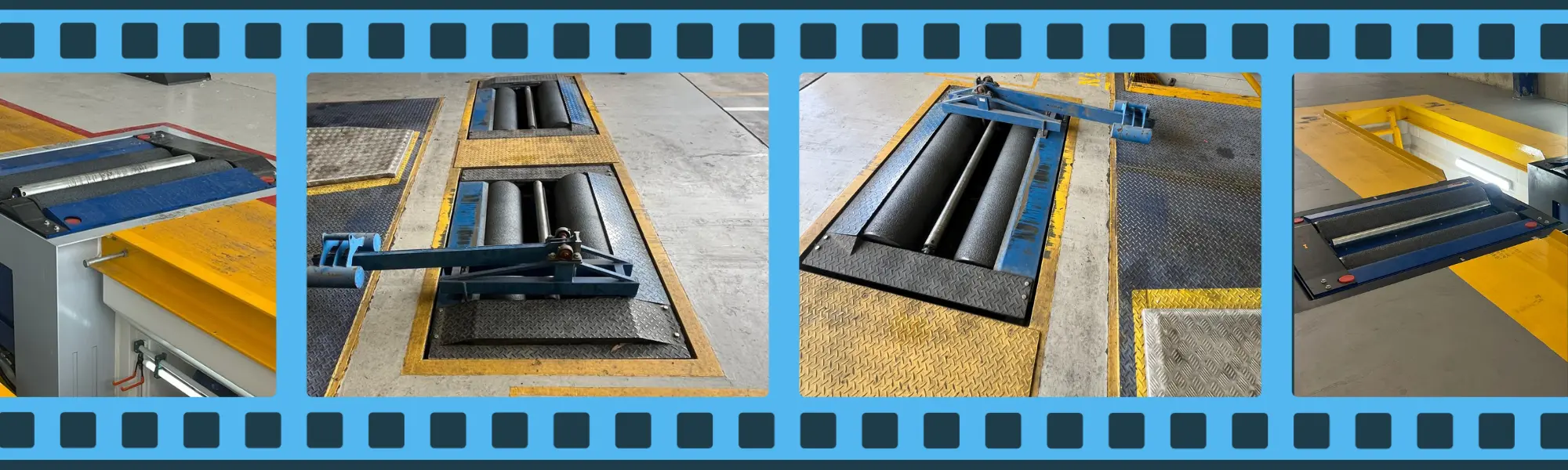
When a heavy vehicle rolls onto a truck roller brake tester, workshop managers and inspectors need confidence that the results are accurate, repeatable and reliable. Part of that confidence is built on knowing the equipment has been properly calibrated and maintained.
For Australian workshops, regular brake tester calibration helps to protect the integrity of every test, support informed maintenance decisions, and enable dependable, repeatable brake testing. Whether roller brake testers are used for NHVR-regulated inspections, fleet maintenance or workshop diagnostics, calibrations help to ensure brake force measurements remain consistent with the original manufacturer’s specifications and relevant national or regional requirements.
What is a roller brake tester calibration?
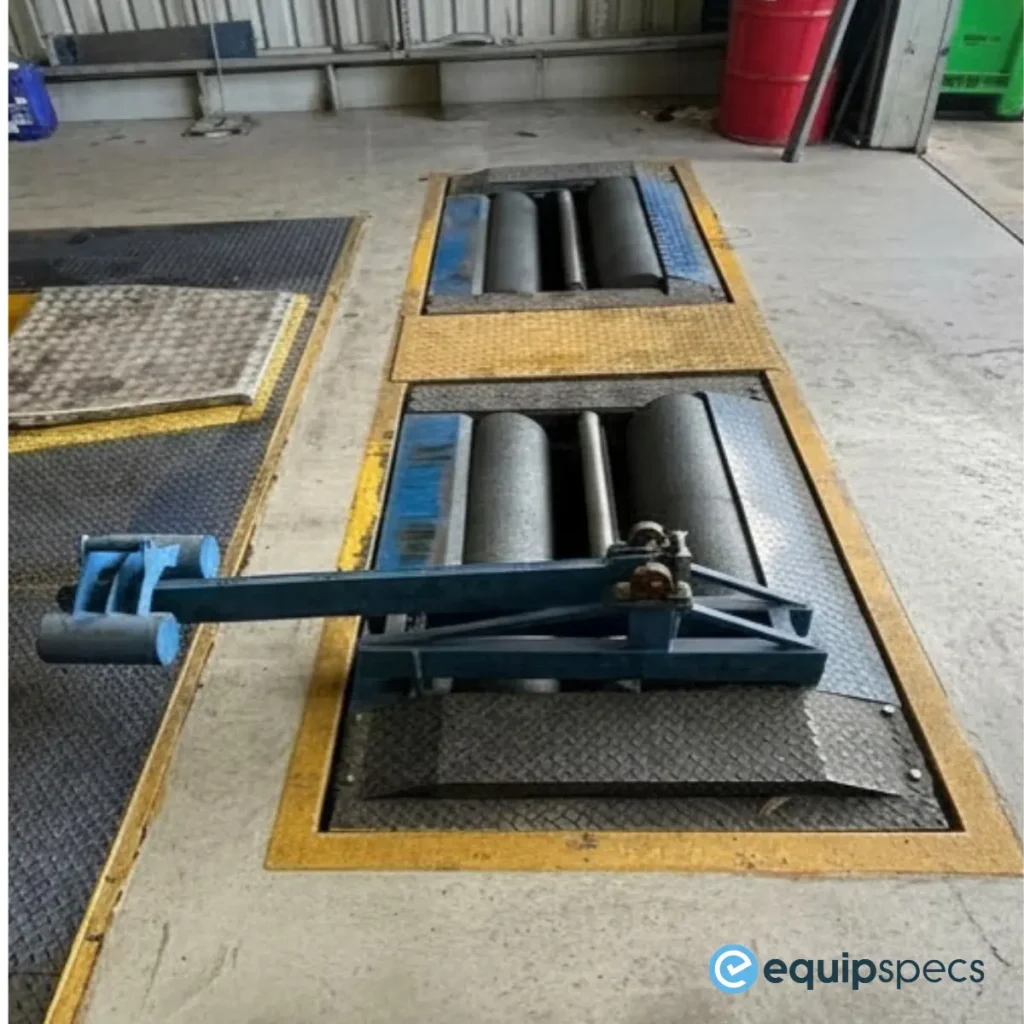
A brake tester calibration is the process of verifying and adjusting a roller brake tester so that it measures braking performance within the tolerances specified by the original manufacturer.
Unlike a routine service, calibration confirms that the machine’s sensors, load cells and measurement systems continue to produce accurate readings. It also verifies that software, hardware and mechanical components are working together correctly to provide repeatable test results.
For workshops that rely on heavy vehicle brake testers every day, regular calibration is an essential part of maintaining confidence in the equipment.
Why is calibration so important?
Roller brake testers are precision measuring instruments. Even small deviations can affect brake force readings, brake balance calculations and overall test results.
The National Heavy Vehicle Regulator (NHVR) recognises that roller brake testing is intended to provide safe, fair and repeatable assessments of a vehicle’s braking system, with results used to identify potential performance issues and determine whether further inspection is required.
Regular calibration helps ensure:
- Accurate brake force measurement
- Repeatable results between tests
- Reliable brake balance calculations
- Confidence in maintenance decisions
- Consistency with original manufacturer specifications
- Compliance with applicable inspection requirements
What do the NHVR requirements say?
The NHVR National Roller Brake Testing Procedure explains that the objective of calibration is to minimise uncertainty while ensuring consistency and confidence in brake test accuracy across different roller brake testers.
It requires roller brake testers used for compliance monitoring and regulated inspections to meet specified equipment requirements, with calibration carried out in accordance with both the prescribed NHVR procedure and the original manufacturer’s calibration and maintenance procedures.
A maximum recalibration interval of 12 months is specified, with limited provision for longer intervals in certain low-use remote locations where appropriate conditions are met.
When should a brake tester be calibrated?
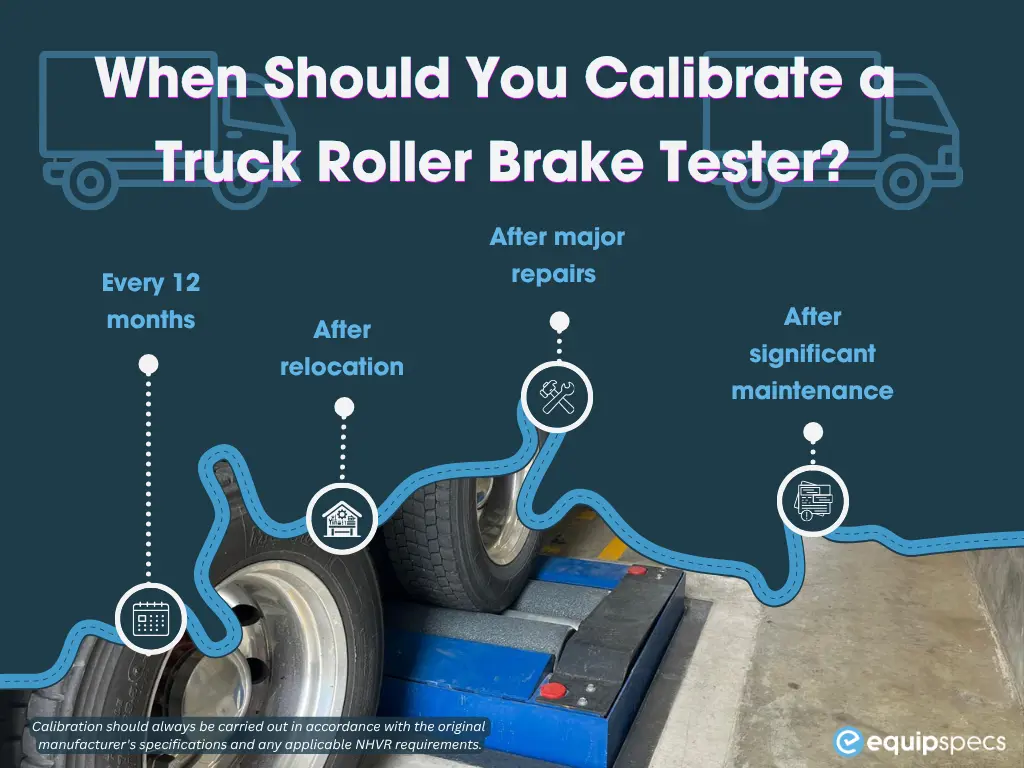
Annual calibration is an important part of maintaining heavy vehicle brake testing equipment, but it is not the only time a calibration should be considered.
Workshops should also consider recalibration:
- After relocating a brake tester to a new site
- Following major repairs or component replacement
- After significant maintenance affecting measurement systems
- In accordance with the original manufacturer’s specifications
These additional checks help ensure that any changes affecting performance are identified before they impact test results.
What happens during a brake tester calibration?
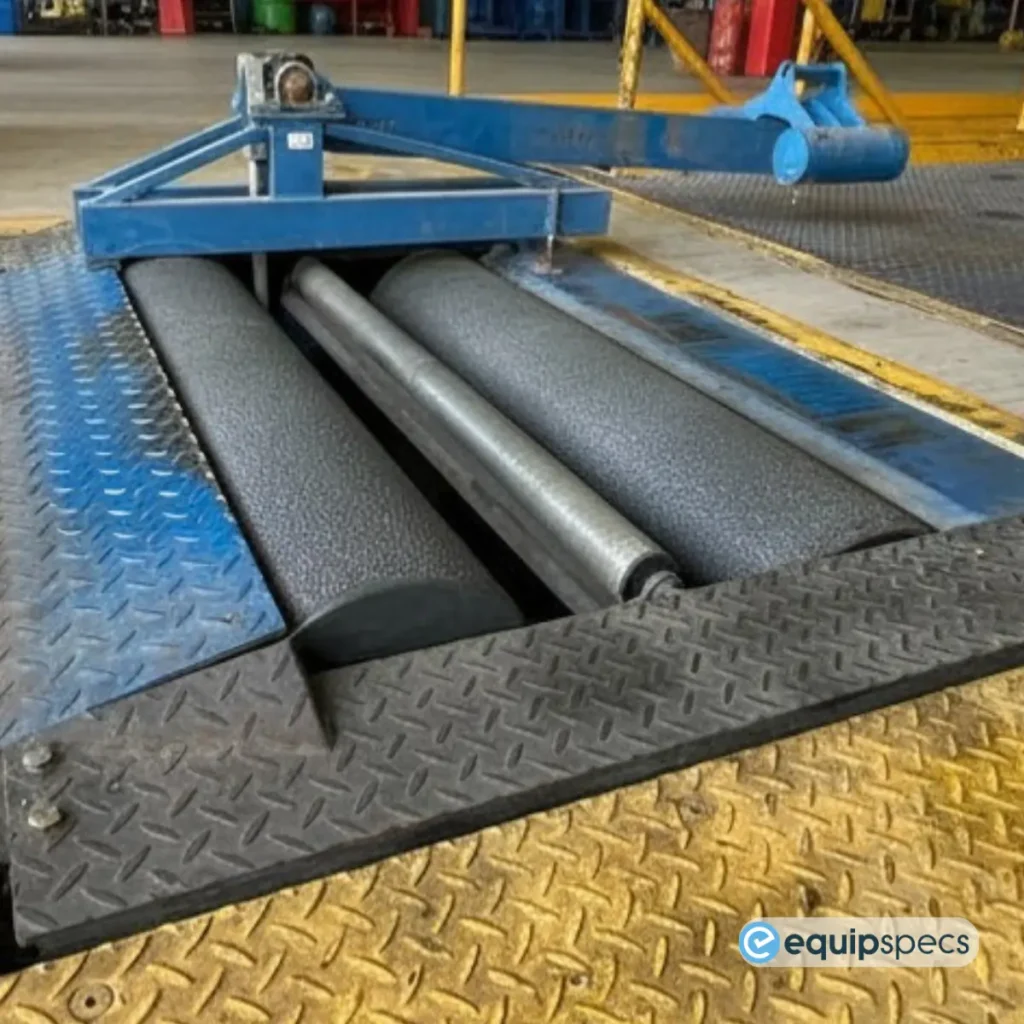
A comprehensive brake tester calibration verifies the accuracy, condition and performance of the equipment through a range of inspection and testing procedures.
Depending on the equipment and manufacturer, the process may include:
- Inspection of the overall condition of the brake tester
- Verification of brake force measurement systems
- Checking load cells and weighing functions
- Assessment of roller condition and wear
- Confirmation that software and system functions are operating correctly
- Validation against manufacturer tolerances and calibration procedures
- Recording maintenance activities and issuing calibration documentation
The NHVR also highlights that the wear and condition of the brake tester, calibration methods, calibration tools and the skill of the technician all influence the accuracy and repeatability of results.
Why qualified technicians matter
Calibration is a specialised process that requires more than general mechanical knowledge.
The NHVR procedure recognises that maintaining and calibrating roller brake testers requires specialist training and states that critical maintenance and calibrations should be carried out by appropriately qualified personnel approved by the equipment manufacturer or supplier.
Using the correct calibration equipment and following original manufacturer procedures helps ensure that brake testers continue to perform as intended and that calibration records accurately reflect the condition of the machine.
Can routine calibrations improve long-term reliability?
Regular calibration is often viewed as a compliance requirement, but it also support long-term equipment performance.
Routine inspections carried out during calibrations can identify wear, contamination or developing faults before they become more significant issues. Addressing these early can reduce downtime, improve reliability and extend the operational life of the equipment.
For workshops that rely on brake testing every day, preventative maintenance and regular calibration work together to protect both productivity and testing accuracy.
Maintaining Confidence in Every Test
Brake tester calibration is about more than meeting a scheduled requirement. It helps ensure brake performance data remains accurate, repeatable and consistent with the original manufacturer’s specifications, giving workshops and fleet operators confidence in every test. Whether calibration is carried out as part of annual maintenance, following relocation or after major repairs, using qualified technicians and following the correct calibration procedures is essential to maintaining reliable heavy vehicle brake testing.
EquipSpecs supports workshops across Australia with brake tester installation, servicing, and calibration, helping maintain accurate and reliable brake testing equipment.
Related Reading
If you’re exploring heavy vehicle brake testing equipment or planning a workshop upgrade, you may also find these resources helpful.
Frequently Asked Questions – Roller Brake Tester Calibrations
For heavy vehicle roller brake testers used for compliance monitoring and regulated inspections, the NHVR procedure specifies a maximum recalibration interval of 12 months, with limited exceptions for qualifying remote locations. Calibrations should also follow the original manufacturer’s recommendations.
Yes. Relocation can affect equipment alignment and performance, making recalibration advisable before returning the brake tester to service.
Yes. Calibrations can be performed across different brands of brake testers, provided the technician has access to the appropriate calibration equipment and follows the original manufacturer’s procedures for that specific system. In practice, this means calibrations should be carried out by technicians who are appropriately trained and recognised by the equipment manufacturer or supplier.
Calibration certificates provide documented evidence that the equipment has been checked and calibrated in accordance with the relevant procedures, supporting quality assurance and regulatory compliance where required.